Basement waterproofing is an essential aspect of home maintenance, particularly for those living in areas prone to heavy rainfall or high water tables. A dry basement is crucial for preserving the structural integrity of a home and preventing mold, mildew, and other moisture-related issues. This article provides a comprehensive guide to various basement waterproofing techniques and solutions to help homeowners keep their basements dry and safe.
Basement waterproofing involves a range of methods and techniques designed to prevent water from entering a basement or crawlspace. These methods can be categorized into two main types: interior and exterior waterproofing. Both approaches have their advantages and disadvantages, and the choice of method often depends on the specific conditions and requirements of the property.
Interior Basement Waterproofing:
- Sealants and Epoxy Injections: Interior sealants and epoxy injections are often used to seal cracks and gaps in basement walls and floors. These materials create a barrier that prevents water from seeping through small openings. Epoxy injections are particularly effective for structural cracks, as they not only seal the cracks but also bond the concrete, restoring its integrity.
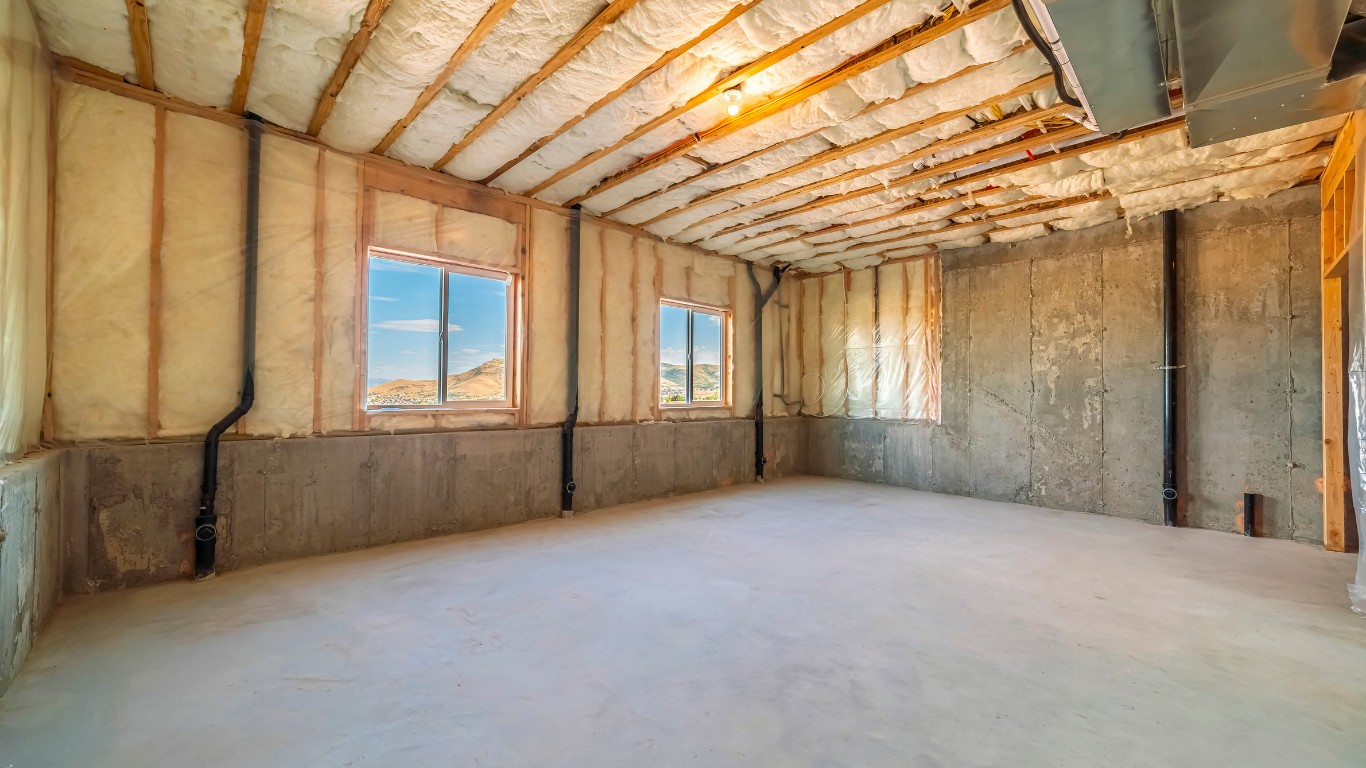
- Interior Drainage Systems: Interior drainage systems are designed to manage water that enters the basement and directs it away from the foundation. These systems typically include a perforated pipe installed along the perimeter of the basement floor. The pipe collects water and channels it to a sump pump, which then removes the water from the basement. Interior drainage systems are effective for addressing hydrostatic pressure and preventing water accumulation.
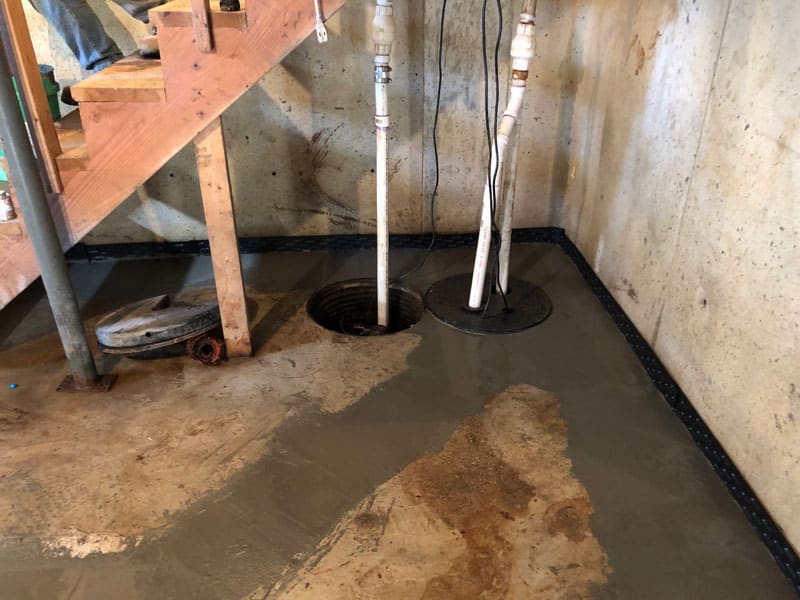
- Sump Pumps: A sump pump is a critical component of many interior waterproofing systems. It is installed in a sump pit, which is typically located at the lowest point of the basement. When water enters the pit, the pump activates and removes the water, directing it away from the foundation. Sump pumps are particularly useful in areas with high water tables or frequent flooding.
- Vapor Barriers: Vapor barriers are materials installed on the walls and floors of a basement to prevent moisture from seeping through. These barriers are usually made of plastic or foil and are effective at reducing humidity and preventing mold growth. Vapor barriers are often used in conjunction with other waterproofing methods to provide additional protection.
Exterior Basement Waterproofing:
- Exterior Waterproofing Membranes: Exterior waterproofing involves applying a waterproof membrane to the outside of the foundation. This method requires excavating around the foundation to expose the walls, which are then cleaned and repaired before the membrane is applied. Waterproof membranes create a barrier that prevents water from penetrating the foundation walls.
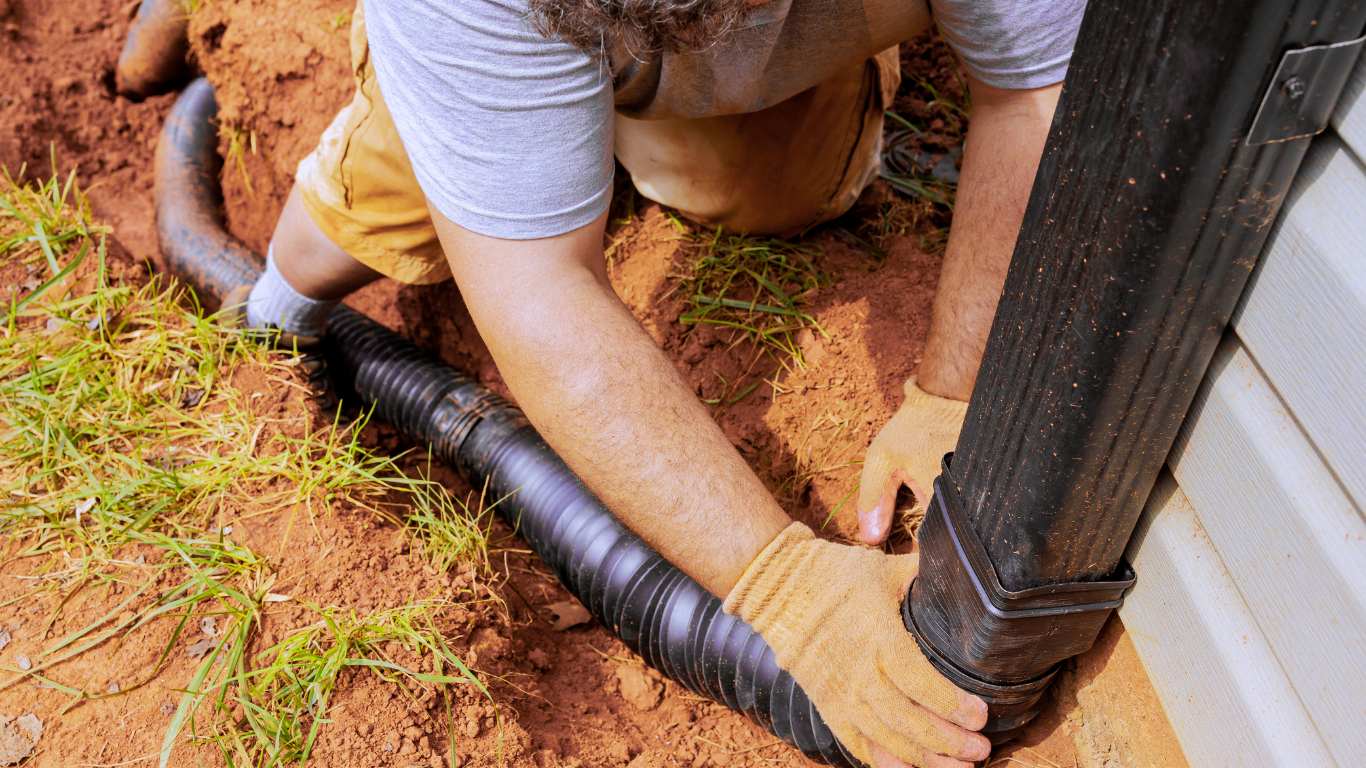
- French Drains: A French drain is an exterior drainage system designed to redirect water away from the foundation. It consists of a trench filled with gravel and a perforated pipe. The pipe collects water and channels it away from the house, preventing it from pooling around the foundation and seeping into the basement.
- Exterior Drain Tile Systems: Exterior drain tile systems are similar to French drains but are installed around the perimeter of the foundation. These systems collect water and direct it to a sump pump or drainage outlet, preventing water from accumulating around the foundation.
- Excavation and Waterproofing: Excavation and waterproofing involve digging around the foundation to apply a waterproof coating or membrane. This method provides a long-term solution for preventing water infiltration and is particularly effective for homes with severe water problems.
Advantages and Disadvantages of Interior and Exterior Waterproofing:
Interior Waterproofing Advantages:
- Easier and less expensive to install than exterior methods.
- Can be implemented without extensive excavation or disruption to landscaping.
- Effective for managing water that enters the basement.
Interior Waterproofing Disadvantages:
- Does not address the root cause of water infiltration.
- May require ongoing maintenance, such as cleaning and servicing sump pumps.
- Less effective for severe water problems or high water tables.
Exterior Waterproofing Advantages:
- Addresses the root cause of water infiltration by preventing water from entering the foundation.
- Provides long-term protection against water damage.
- Effective for severe water problems and high water tables.
Exterior Waterproofing Disadvantages:
- More expensive and labor-intensive than interior methods.
- Requires excavation, which can disrupt landscaping and property structures.
- May involve significant time and effort to install.
For comprehensive protection, many homeowners choose to combine interior and exterior waterproofing methods. This approach addresses both the symptoms and root causes of water infiltration, providing a robust solution for keeping basements dry. For example, a combination of exterior waterproofing membranes, French drains, and interior drainage systems can offer multiple layers of protection against water damage.
While homeowners can tackle some basement waterproofing tasks, others require professional expertise. DIY methods, such as applying sealants or installing a sump pump, can be cost-effective and manageable for minor water problems. However, extensive projects like exterior waterproofing and drainage system installation are best left to professionals to ensure proper execution and long-lasting results.
The cost of basement waterproofing varies depending on the methods used and the extent of the work required. Simple DIY projects may cost a few hundred dollars, while professional services can range from $1,000 to $10,000 or more. It’s important to get multiple quotes and choose a reputable contractor to ensure you get the best value for your investment.
Basement waterproofing is a critical investment for homeowners, providing protection against water damage, mold growth, and structural issues. By understanding the various techniques and methods available, you can choose the best solution for your home and enjoy a dry, healthy basement for years to come. Whether you opt for interior or exterior waterproofing, or a combination of both, taking proactive steps to address water infiltration will help preserve the integrity and value of your home.
Contact the Professionals at CGS Waterproofing Today! (404) 234-0248
As a leading company in the waterproofing industry, we take pride in offering exceptional residential and commercial waterproofing services. Our commitment to delivering customer service that surpasses all expectations is at the core of everything we do. With over a decade of experience in the field, CGS Waterproofing is your trusted and reliable go-to waterproofing contractor.
In addition to our expertise in waterproofing, we are specialists in concrete work as well. Whether it’s a minor crack repair or a complete driveway replacement, we have the skills and knowledge to handle any project with precision and finesse. As a fully licensed, bonded, and insured company, our customers can rest assured that they are in safe hands. Moreover, our comprehensive warranties on all our products and services further reinforce the trust you can place in us.
At CGS Waterproofing & Foundations, we believe in creating lasting relationships with our customers, built on trust, transparency, and superior workmanship. We are dedicated to protecting your property from water damage and enhancing its structural integrity. As you navigate through our website, you’ll find valuable insights, tips, and resources to help you make informed decisions about waterproofing and concrete solutions for your home or business.
Thank you for choosing CGS Waterproofing & Foundations as your partner in safeguarding and improving your property. We look forward to serving you with excellence and exceeding your expectations every step of the way. If you have any questions or need assistance, don’t hesitate to reach out to our friendly team. Let’s build a water-tight and sturdy future for your property together!